
Latest Posts

  • Beauty - Trendings

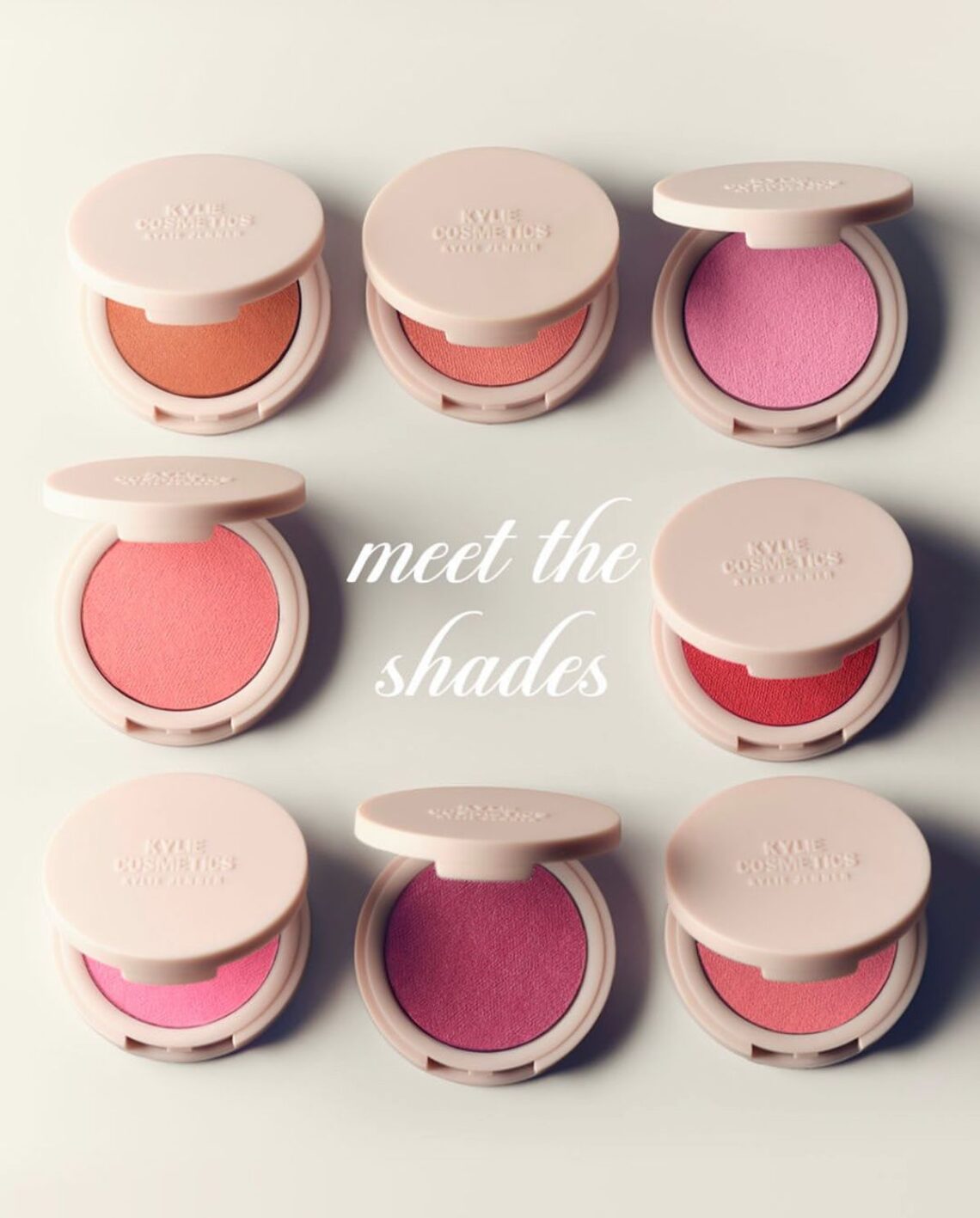
    The Return of Blush — And Why It Feels So Good

    For a while, faces were sculpted.

    Sharp contour. Neutral palettes. Matte finishes. Everything precise, controlled, slightly distant.

    Now the mood has shifted.

    Blush is back — not as a tiny touch of color, but as the focal point. High on the cheeks, brushed across the nose, blended toward the temples. Visible. Intentional. Alive.

    It’s less about structure and more about feeling.


    The Cultural Shift Toward Warmth

    Beauty trends rarely exist in isolation. They mirror mood.

    The past few years leaned into minimalism: muted tones, polished restraint, “clean” perfection. It looked effortless, but it also felt emotionally cool.

    Blush changes the temperature.

    A flush introduces warmth to the face. It softens angles. It disrupts neutrality. In a subtle way, it makes someone look more present.

    That shift feels aligned with a wider craving for softness — in fashion, in interiors, in lifestyle aesthetics. The era of harsh lines is giving way to something more romantic.


    Why Blush Feels So Instantly Good

    There’s a biological reason flush reads as attractive.

    A slight pink tone in the cheeks is associated with:

    • circulation
    • vitality
    • emotional responsiveness

    It signals health and energy without saying a word.

    Unlike contour, which reshapes, blush enhances what’s already there. It works with the natural structure of the face instead of carving new ones.

    The effect is subtle but powerful: the face looks animated rather than constructed.


    Placement Is Changing Everything

    What makes this return interesting isn’t just the color — it’s how it’s worn.

    Instead of concentrating on the apples of the cheeks, blush now travels:

    • higher toward the cheekbones
    • across the bridge of the nose
    • slightly under the eyes for a soft-focus effect

    The result feels sun-touched, almost cinematic. Less “done,” more lived-in.

    Cream and liquid formulas amplify that effect. The skin looks luminous, not powdered. Movement is visible. Texture is embraced.


    From Perfection to Presence

    Blush doesn’t hide pores. It doesn’t blur expression lines. It doesn’t sharpen bone structure.

    Adds dimension that mimics emotion — like laughter, like a breeze, like a little excitement.

    In a culture saturated with filters and correction, that kind of visible warmth feels grounding.

    It brings attention back to skin as something dynamic rather than something to perfect.


    Why Spring Amplifies the Trend

    Seasonal light changes everything.

    As days grow brighter, heavy makeup feels out of place. Complex routines feel excessive. A flush of color fits the mood — it reflects longer walks, open windows, afternoons outside.

    Blush complements that seasonal shift naturally. It enhances light rather than competing with it.

    The look reads fresh without being complicated.


    The Real Appeal

    Blush doesn’t transform a face into someone else.

    It highlights vitality, suggests movement. It feels immediate.

    After seasons of polished restraint, that softness feels new again — even though it’s one of the oldest makeup products in existence.

    The return of blush isn’t about nostalgia.

    It’s about energy.

    And right now, energy is exactly what beauty is chasing.

  • Lifestyle

    We Don’t Experience Things — We Document Them

    There was a time when moments just… happened.

    Now they need angles.
    Lighting.
    A caption.
    A story.

    Before we feel something, we record it.

    And somewhere along the way, documenting replaced experiencing.


    📱 The Reflex Is Automatic

    You don’t even think about it anymore.

    Concert starts → phone up.
    Pretty plate → photo first.
    Cute café → story immediately.
    Sunset → 0.5 camera.

    The instinct isn’t “wow.”
    It’s “this will look good.”

    We’re not choosing to document.
    It’s muscle memory.


    👀 If It’s Not Posted, Did It Even Happen?

    There’s a subtle anxiety attached to unposted moments.

    If no one saw it…
    it wasn’t archived…
    it wasn’t validated…

    Did it count?

    Social media trained us to measure experience by visibility.

    The more people see it, the more real it feels.

    But that logic is backwards.


    🧠 Your Brain Is Half-There

    When you document something, part of your brain switches into observer mode.

    You’re thinking:

    • Is this flattering?
    • Should I retake it?
    • What caption fits?
    • When do I post?

    That mental split takes you out of the moment.

    You’re present physically.
    But cognitively? You’re curating.


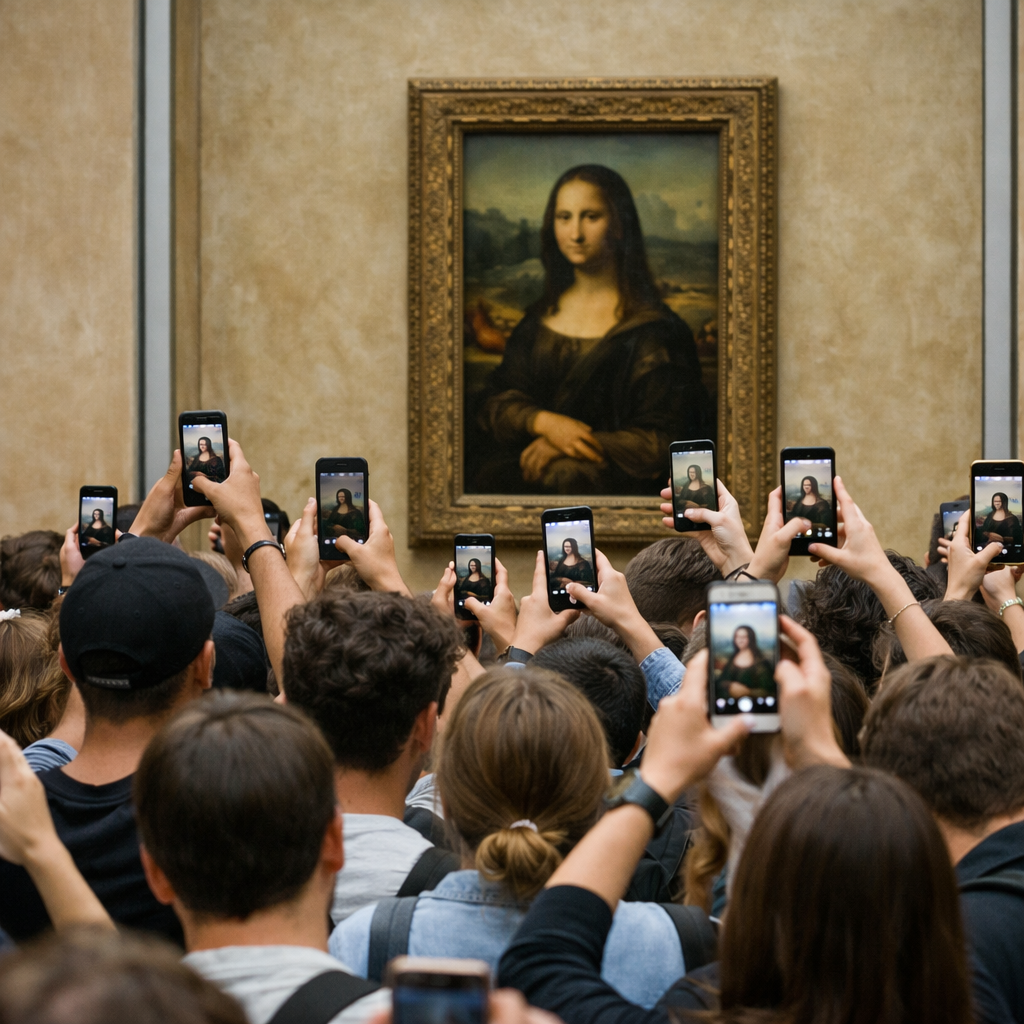
    🎤 Concerts Are the Perfect Example

    Look around at any live show.

    Hundreds of glowing screens.
    People watching through lenses.
    Recording a song they’ll never rewatch.

    We’re trying to preserve the memory
    instead of creating it.

    And ironically, studies show that constantly recording something actually weakens how deeply you remember it.

    You rely on the footage.
    Not the feeling.


    It’s About Control

    Documenting gives you control.

    You can edit the moment.
    Choose the best version.
    Delete the awkward one.

    Experiencing something fully is messier.

    It’s unpredictable.
    Unfiltered.
    Unrepeatable.

    Recording makes it safer.


    💬 The Fear of Missing Digital Proof

    There’s also social pressure.

    If you don’t post:

    • people think you weren’t invited
    • people assume you’re inactive
    • people forget you exist

    Gen Z grew up equating visibility with relevance.

    So documenting becomes survival.


    😶 But Here’s the Quiet Cost

    When everything becomes content, nothing feels sacred.

    Private joy becomes public performance.
    Real moments become assets.

    You stop asking:
    “Did I love this?”

    And start asking:
    “Did this look good?”

    That shift is subtle.
    But it changes how life feels.


    ✨ The Glowssip Take

    Documenting isn’t evil.

    It’s human. It’s fun.

    But when the camera becomes the first reaction instead of the last, something shifts.

    The most powerful moments don’t need proof.

    They don’t need filters.

    They don’t need witnesses.

    Sometimes the most rebellious thing you can do in 2026
    is leave your phone in your pocket
    and let the memory live only in you.

  • Beauty - Trendings

    Preventative Botox at 22 — Smart or Sad?

    At 22, you’re supposed to be thinking about careers, relationships, maybe moving cities.

    Not forehead lines.

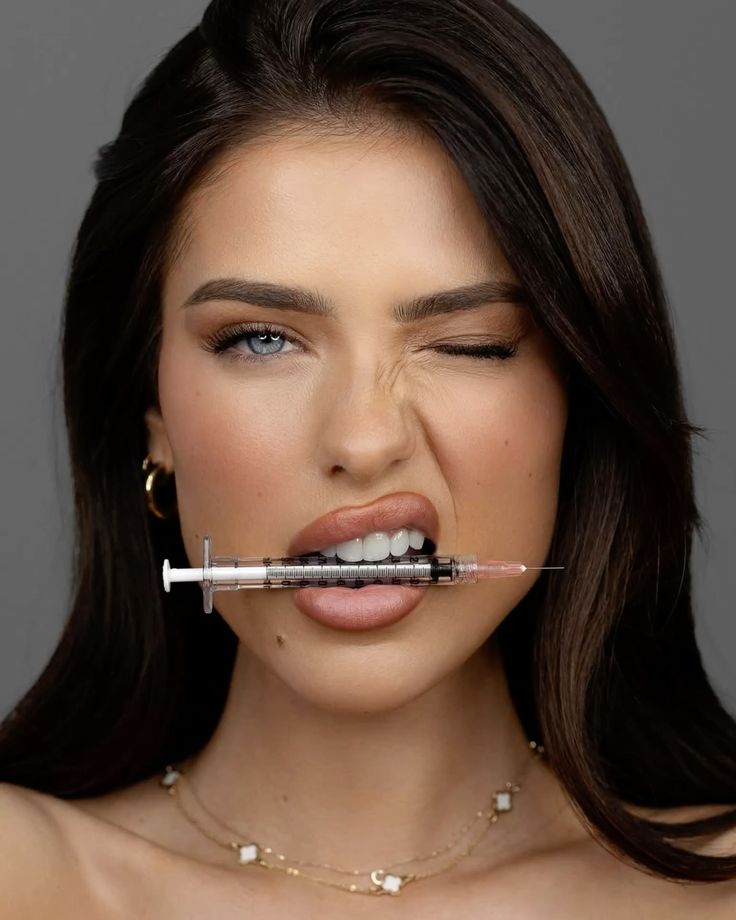
    And yet, more and more people in their early 20s are getting “preventative Botox.” Not because they have wrinkles — but because they don’t want them.

    The question isn’t just can you.
    It’s should you.


    What Is Preventative Botox, Actually?

    Botox works by temporarily relaxing the muscles that cause dynamic wrinkles — the lines that form when you frown, squint, or raise your eyebrows.

    Preventative Botox means starting injections before those lines become permanent.

    The logic is simple:
    If the muscle doesn’t move as much, the wrinkle won’t form as deeply.

    Technically?
    It makes sense.

    But skin isn’t just muscle mechanics. It’s also psychology, culture, and perception.


    Why Is Gen Z Starting So Early?

    This trend didn’t appear randomly.

    Gen Z grew up with:

    • front-facing cameras
    • HD filters
    • constant self-observation
    • comparison culture

    You don’t just see your face in mirrors anymore. You see it constantly — on screens, in photos, under bright lighting.

    That level of exposure creates hyper-awareness.

    A tiny line that used to go unnoticed now feels magnified.


    Is It Actually Smart?

    From a purely medical perspective, small doses of Botox in the right candidate can delay deeper wrinkle formation.

    But here’s the nuance:

    Not everyone at 22 needs it.
    Many early 20s faces don’t have enough repetitive muscle movement to justify regular injections.

    Skin quality at that age is usually more influenced by:

    • sun exposure
    • stress
    • sleep
    • skincare habits

    Not fixed lines.

    So for some, preventative Botox is strategic.
    For others, it’s premature.


    The Psychological Side No One Talks About

    Starting Botox early can shift how someone views aging.

    Instead of seeing lines as gradual and natural, they become something to avoid at all costs.

    The risk isn’t physical.
    It’s perceptual.

    When the goal becomes “never change,” beauty can turn into maintenance anxiety.

    And maintenance anxiety is exhausting.


    But Let’s Be Honest…

    There’s also autonomy.

    If someone understands the risks, goes to a qualified injector, and feels more confident — that’s their choice.

    The problem isn’t Botox itself.

    It’s the pressure behind it.

    Are you doing it because you want to —
    or because you feel like you’re already behind?


    The Bigger Shift: From Anti-Aging to Pre-Aging

    This trend reflects something deeper.

    We’re no longer reacting to aging.

    We’re trying to preempt it.

    Prevent. Pause. Freeze.

    But aging isn’t a flaw.
    It’s biology.

    The beauty industry is moving from correction to anticipation — and that changes how young people see themselves.


    The Glowssip Take

    Preventative Botox at 22 isn’t automatically smart.
    And it isn’t automatically sad.

    It depends on intention.

    If it’s informed and calm, it’s a choice.
    If it’s driven by fear of being imperfect, it’s pressure.

    At 22, your face isn’t a problem to solve.

    It’s still forming your story.

  • Beauty - Home

    Skin Fasting Is Back — And Gen Z Loves It

    For years, skincare was about doing more.

    More steps,actives.
    More products promising faster results.

    Now Gen Z is doing the opposite.

    They’re doing nothing.

    It’s called skin fasting — and it’s quietly becoming one of the most interesting shifts in modern beauty.


    What Skin Fasting Actually Is

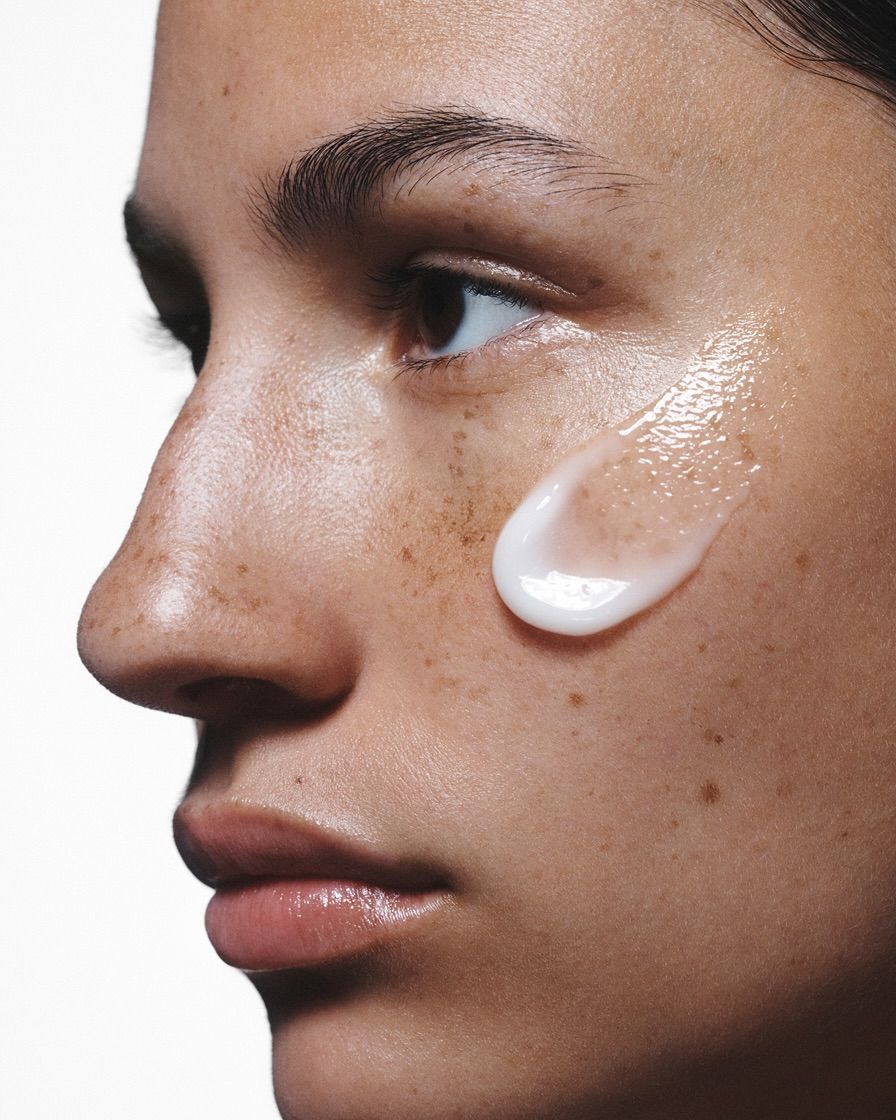
    Skin fasting means taking a break from skincare products — sometimes completely, sometimes partially.

    No serums.
    Witout complicated routines.

    Just your skin.

    The idea is simple: stop interfering, and let your skin rebalance itself naturally.

    The concept comes from the belief that overusing skincare can disrupt your skin’s natural balance and weaken its ability to regulate itself.

    Instead of constantly forcing results, allows the skin barrier to recover.


    Why Gen Z Is Obsessed With It

    Gen Z grew up in peak skincare culture.

    10-step routines.
    Strong acids.
    Daily retinol.
    Constant experimentation.

    But dermatologists are now seeing the consequences.

    Many young people developed irritation, sensitivity, and inflammation from overusing actives they saw online.

    Skin fasting is their reaction.

    Not more products.
    Less.

    It’s a reset.


    Your Skin Doesn’t Always Need Intervention

    Skin is designed to function independently.

    It regulates oil.
    Repairs itself.
    Maintains its barrier.

    A “skin fast allows the skin to return to its natural homeostasis,” meaning its internal balance.

    When you stop constantly stimulating it, your skin often becomes:

    • calmer
    • less reactive
    • more stable

    Not instantly perfect.
    But healthier.


    This Is Also a Reaction to Beauty Burnout

    Skin fasting isn’t just about skin.

    It’s about exhaustion.

    Gen Z is tired of:

    • chasing perfect skin
    • buying endless products
    • feeling like their face is always a project

    Skin fasting removes pressure.

    It reframes skin as something to support — not constantly fix.


    It Doesn’t Mean Abandoning Skincare Forever

    This is important.

    Skin fasting isn’t permanent.

    It’s temporary — from 24 hours to a few weeks — designed to help skin recover from overstimulation.

    And dermatologists agree: short breaks from harsh actives can reduce irritation and help restore the skin barrier.

    But completely stopping everything long-term isn’t necessary.

    Minimalism is the real goal.


    The Bigger Shift: From Aggressive Skincare to Skin Longevity

    Skin fasting reflects a deeper change in beauty culture.

    For years, skincare was aggressive.

    Exfoliate more.
    Stimulate more.
    Fix faster.

    Now the focus is different.

    Support.
    Protect.
    Preserve.

    Skin longevity — not skin correction.


    The Glowssip Take

    Skin fasting isn’t about abandoning skincare.

    It’s about abandoning the idea that your skin always needs intervention.

    Gen Z isn’t rejecting beauty.
    They’re redefining it.

    Healthy skin isn’t created by doing the most.

    Sometimes, it appears
    when you finally stop doing too much.

  • Trendings

    Why Nobody Fully Commits to Plans Anymore

    “Let’s see.”
    “Maybe.”
    “I’ll confirm later.”
    “I’ll try.”

    Plans used to mean something. Now they feel… flexible. Optional. Temporary.

    Nobody fully commits anymore — and it’s not because people don’t care.

    It’s because commitment feels heavier than it used to.


    📱 The Culture of Keeping Options Open

    We live in a world of constant alternatives.

    Another invite might come.
    A better plan might appear.
    You might feel different tomorrow.

    Keeping your schedule “open” feels smart. Strategic. Safe.

    But when everyone keeps their options open, nothing feels solid.

    Plans turn into placeholders.
    Presence turns into probability.


    🧠 Decision Fatigue Is Real

    Modern life is a series of micro-decisions:

    What to wear.
    What to eat.
    What to answer.
    What to watch.
    What to say.

    Committing to plans is another decision — and decisions require energy.

    When people are mentally tired, flexibility feels easier than certainty.

    “I’ll see how I feel”
    is often code for
    “I don’t have the energy to decide.”


    💬 Social Anxiety Without the Label

    A lot of people aren’t flaky. They’re anxious.

    Committing means:

    • showing up
    • being perceived
    • sustaining conversation
    • performing socially

    Keeping plans loose reduces pressure.

    If you cancel last minute, it feels less like failure — and more like adjustment.

    But over time, that habit creates distance.


    🔄 The Fear of Missing Out Never Left

    Ironically, people cancel because of FOMO.

    What if something better happens?
    What if I commit too early?
    What if I regret choosing this?

    We’re afraid of locking into one option in a world that promises infinite possibilities.

    But infinite possibility also means infinite instability.


    🪞 Why It Feels So Frustrating

    When no one fully commits, trust weakens.

    You don’t know who’s actually coming.
    You don’t know if the plan is real.
    You don’t know if you matter enough to prioritize.

    Flexibility feels free —
    until it feels unreliable.


    ⏳ The Shift From Obligation to Preference

    Older generations treated plans like contracts.
    Now they’re treated like preferences.

    And preference can change.

    We prioritize mood. Energy. Mental state.

    Which is healthy —
    until it replaces consistency entirely.


    ✨ The Glowssip Take

    Nobody fully commits to plans anymore because everyone is protecting their energy.

    But connection requires friction.

    Showing up when you’re slightly tired.
    Sticking to a plan even when something shinier appears.
    Choosing presence over potential.

    Maybe the real flex now isn’t keeping options open.

    It’s showing up.

    Fully.

  • Beauty

    Why Your Skin Looks Better on Vacation (And Why That Glow Never Lasts)

    Your skin doesn’t glow on vacation because you’re doing something special.

    It glows because you’ve stopped doing too much.

    At home, your skin is constantly reacting — to stress, routines, expectations, screens, trends. On vacation, most of that disappears. And when pressure leaves, skin follows.


    🧠 Skin Is a Reactive Organ, Not a Decoration

    We treat skin like something that needs fixing.
    In reality, it’s something that responds.

    Your skin reacts to:

    • how rushed your days are
    • how tense your body feels
    • how often you’re overstimulated

    On vacation, those signals soften.

    Your face isn’t clenched.
    body isn’t bracing.
    Your mind isn’t constantly “on.”

    Skin reads that as safety.


    ⏳ Time Slows Down — And So Does Your Skin

    At home, everything is compressed.

    Quick mornings.
    Fast routines.
    Constant multitasking.

    On vacation, time stretches. You move slower, eat slower, sleep without urgency. That slower rhythm reduces micro-stress — the kind that never feels dramatic but quietly accumulates.

    Skin loves slowness.
    It repairs better when it’s not being rushed.


    📉 Less Self-Monitoring = Better Skin

    This part is uncomfortable but real.

    On vacation, you look at yourself less.
    You judge yourself less.
    You don’t constantly check mirrors or cameras.

    That constant self-monitoring at home creates tension — especially in the face. Jaw, brows, mouth — all hold stress.

    Relaxation shows up as:

    • softer expression
    • better circulation
    • more even tone

    Your skin doesn’t just improve.
    Your face unlocks.


    🧴 Vacation Skin Is Boring Skin — And That’s the Point

    Vacation skincare is usually simple.

    Cleanse.
    Moisturize.
    SPF.

    No actives roulette.
    “let me try this new thing.”
    No overcorrection.

    Skin loves boring routines.
    Consistency beats intensity every time.

    That glow isn’t magic.
    It’s predictability.


    🌞 The Environment Helps — But It’s Not the Hero

    Yes, sunlight, movement, fresh air all help.

    But the real shift is internal:

    • regulated sleep
    • fewer decisions
    • emotional distance from stress

    Your skin isn’t responding to the beach.
    It’s responding to relief.


    Why the Glow Fades When You’re Back

    When you return, life speeds up again.

    Deadlines.
    Screens.
    Stress.
    Self-criticism.

    Skin goes back into reaction mode.

    That doesn’t mean vacation skin was fake.
    It means your normal life is harder on your body than you think.


    ✨ The Glowssip Take

    Vacation skin isn’t about escape.
    It’s about what happens when pressure lifts.

    Your skin doesn’t need better products.
    It needs fewer stress signals.

    The glow you love isn’t something you apply.
    It’s something that appears
    when your life gives your body a break.

    And maybe the real beauty secret
    is learning how to recreate that feeling
    even when you’re not away.

  • Lifestyle

    Why Calm People Feel More Powerful

    The loudest person in the room isn’t the strongest anymore.
    It’s the calm one.

    Somewhere along the way, Gen Z stopped confusing confidence with noise. Posting less. Explaining less. Reacting less.

    And somehow — that started to feel… powerful.

    Calm Is the New Flex

    Anyone can be loud, can overshare.
    Anyone can react instantly.

    Calm takes control.

    When someone doesn’t rush to reply, doesn’t panic, doesn’t need to prove a point — it shifts the dynamic. Suddenly, they’re the one setting the tone.

    Calm isn’t passive.
    It’s selective.

    Not Reacting = Having Power

    Gen Z grew up online. We’ve seen what constant reacting does to people.

    Drama ages you.
    Overexplaining weakens your point.
    Always having an opinion is exhausting.

    Calm people don’t take the bait. And that’s exactly why they win.

    Calm Feels Like Self-Trust

    There’s something intimidating about someone who’s unbothered — not fake-unbothered, but genuinely grounded.

    No panic, spiraling.
    No need to be understood by everyone.

    That energy says:
    “I know where I stand.”

    And that’s confidence without performance.

    Calm Is a Boundary

    Calm people don’t give everyone access to their emotions.

    They choose:

    • what matters
    • who matters
    • when to engage

    That boundary is what makes them feel solid. Safe. Respected.

    Why This Hits Right Now

    We’re tired.

    Tired of chaos,of reacting.
    Tired of being “on” all the time.

    Calm feels like relief. And relief feels powerful.

    The Glowssip Take

    Calm people don’t try to dominate the room.
    They don’t need to.

    They move slower. Speak less. Mean more.

    And in a world that never shuts up,
    that kind of energy hits different.

  • Beauty - Trendings

    Ectoin: The Stress-Protection Ingredient Your Skin Didn’t Know It Needed

    Skincare spent years trying to erase wrinkles.
    Ectoin does something smarter.

    It protects skin from stress — before damage even happens.

    What Is Ectoin (and Why Is It Different)?

    Ectoin is a naturally occurring molecule discovered in extremophile microorganisms — organisms that survive in the harshest environments on Earth.

    We’re talking:

    • extreme heat
    • intense UV radiation
    • dehydration
    • high salinity

    These organisms don’t “repair” damage.
    They prevent it.

    Ectoin works by stabilizing proteins, cell membranes, and enzymes, creating a protective hydration shell around skin cells.
    In simple terms: it helps skin stay calm and functional under pressure.

    Ectoin ≠ Another Hydrating Ingredient

    Yes, ectoin hydrates.
    But that’s not the headline.

    What makes ectoin special is cellular protection.

    Scientific studies show that ectoin:

    • reduces inflammation
    • protects against UV-induced damage
    • improves skin barrier function
    • minimizes stress-related sensitivity

    It doesn’t force skin to change.
    It helps skin cope.

    That’s a very different philosophy from aggressive actives.

    Why Ectoin Is Suddenly Everywhere (Quietly)

    Ectoin isn’t new — it’s been used in medical dermatology for years, especially for:

    • eczema-prone skin
    • atopic dermatitis
    • post-procedure recovery

    But now, as skin sensitivity is rising globally, ectoin is moving into mainstream skincare.

    Why?
    Because modern skin is overwhelmed.

    Pollution, blue light, stress, over-exfoliation — our skin isn’t aging faster.
    It’s reacting more.

    Ectoin fits perfectly into this new reality.

    The Anti-Aging Ingredient That Doesn’t Fight Aging

    Ectoin isn’t anti-aging in the traditional sense.

    It doesn’t stimulate collagen aggressively.
    doesn’t resurface.
    doesn’t “correct.”

    Instead, it supports skin longevity — keeping skin resilient, balanced, and less reactive over time.

    And here’s the Glowssip truth:
    Calm skin ages better.

    Who Should Use Ectoin?

    Ectoin works especially well for:

    • sensitive or reactive skin
    • stressed, urban skin
    • post-retinol or post-acid routines
    • compromised skin barriers

    But honestly?
    In a world where skin is constantly overstimulated, ectoin makes sense for almost everyone.

    The Glowssip Take

    Ectoin is not loud skincare.
    It doesn’t promise miracles.

    It promises protection, balance, and resilience — the things skin actually needs to age well.

    In a beauty industry obsessed with doing more,
    ectoin’s power lies in helping skin do less.

    And that might be the most intelligent trend yet.

  • Trendings

    Why Expensive Skincare Often Disappoints

    Luxury skincare promises transformation.
    Better skin, glow. Better everything.

    So why does it so often leave us underwhelmed?

    Price ≠ Performance

    High price tags suggest high results — but in skincare, that logic rarely holds.

    Many luxury products rely on familiar, well-researched ingredients:
    glycerin, hyaluronic acid, niacinamide, ceramides.

    They work — but not better just because they’re expensive.

    What you’re often paying for isn’t innovation.
    It’s branding, packaging, and experience.

    The Illusion of Instant Results

    Luxury skincare sells a fantasy:
    apply once, glow forever.

    But skin biology doesn’t work on a luxury timeline.

    Real skin change takes weeks — sometimes months.
    No cream can outpace your skin’s natural renewal cycle.

    When expectations are unrealistic, disappointment is inevitable.

    Formulation Over Status

    What truly matters is formulation — not price.

    Ingredient concentration, stability, and compatibility with your skin type
    determine results far more than a logo ever will.

    A well-formulated €25 product can outperform a €250 cream
    if it’s designed with skin function in mind.

    The Comfort Factor

    Luxury skincare often prioritizes sensory pleasure:
    rich textures, signature scents, elegant finishes.

    That feels good — but it doesn’t always mean better skin.

    In some cases, fragrance and heavy formulas
    can actually irritate sensitive or reactive skin.

    When Luxury Does Make Sense

    Expensive skincare isn’t always a mistake.

    Luxury brands sometimes excel in:

    • elegant textures
    • advanced delivery systems
    • exceptional tolerability for mature skin

    But they still can’t override lifestyle factors
    like stress, sleep, diet, and hormones.

    The Glowssip Take

    Expensive skincare disappoints because we expect it to do too much.

    Skincare can support your skin —
    but it can’t replace biology, habits, or consistency.

    True glow isn’t about price.
    It’s about understanding your skin.

    And that knowledge?
    It’s the real luxury.

  • Beauty

    Anti-Aging Obsession: Are We Afraid of Looking Alive?

    Wrinkles used to mean something.
    Laughter. Stress. Time. Experience.

    Now they mean failure.

    Somewhere along the way, anti-aging stopped being about skincare — and turned into a quiet fear of looking human.

    When Aging Became a Problem to Fix

    The beauty industry didn’t invent the fear of aging.
    But it perfected it.

    Every fine line became a flaw.
    texture became “damage.”
    sign of life became something to erase.

    Anti-aging promised control.
    Control over time.
    over appearance.
    over how we’re perceived.

    And we bought it — serum by serum.

    Youth Is No Longer a Phase. It’s a Requirement.

    We’re not trying to look younger anymore.
    We’re trying to look unchanged.

    Frozen.
    Filtered.
    Timeless — in the most unnatural way.

    The irony?
    In chasing youth, we’ve erased expression.

    Faces move less.
    Smiles look rehearsed.
    Skin looks perfect — but strangely empty.

    The Beauty of Looking Alive

    Healthy skin has texture.
    Emotion leaves marks.
    Life shows up on the face.

    But somewhere between retinol routines and preventative Botox, we decided that visible life is a problem.

    Glow became more important than warmth.
    Smoothness more important than character.

    Anti-Aging vs. Pro-Aging vs. Reality

    The industry loves extremes.

    Either fight aging at all costs —
    or pretend aging doesn’t exist at all.

    But real beauty lives in the middle.

    Taking care of your skin isn’t the same as erasing yourself.
    Wanting to age well isn’t the same as wanting to disappear.

    The Glowssip Take

    Maybe the issue isn’t anti-aging, it’s anti-expression.

    Maybe we’re not afraid of wrinkles, we’re afraid of looking like we’ve lived.

    Because a face that has lived
    is a face that has felt.

    And that, quietly,
    might be the most beautiful thing left.