Trendings

  • Beauty - Trendings

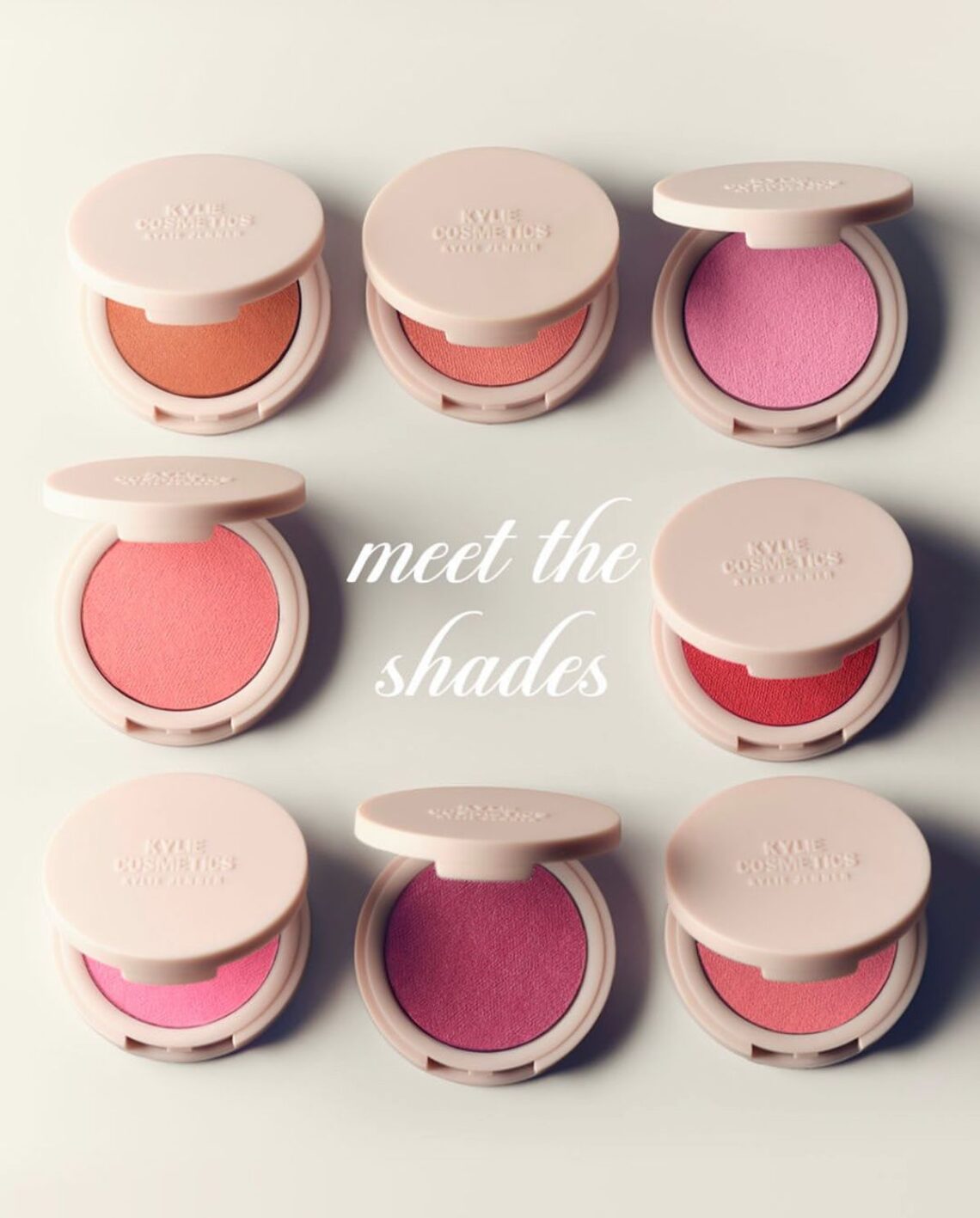
    The Return of Blush — And Why It Feels So Good

    For a while, faces were sculpted.

    Sharp contour. Neutral palettes. Matte finishes. Everything precise, controlled, slightly distant.

    Now the mood has shifted.

    Blush is back — not as a tiny touch of color, but as the focal point. High on the cheeks, brushed across the nose, blended toward the temples. Visible. Intentional. Alive.

    It’s less about structure and more about feeling.


    The Cultural Shift Toward Warmth

    Beauty trends rarely exist in isolation. They mirror mood.

    The past few years leaned into minimalism: muted tones, polished restraint, “clean” perfection. It looked effortless, but it also felt emotionally cool.

    Blush changes the temperature.

    A flush introduces warmth to the face. It softens angles. It disrupts neutrality. In a subtle way, it makes someone look more present.

    That shift feels aligned with a wider craving for softness — in fashion, in interiors, in lifestyle aesthetics. The era of harsh lines is giving way to something more romantic.


    Why Blush Feels So Instantly Good

    There’s a biological reason flush reads as attractive.

    A slight pink tone in the cheeks is associated with:

    • circulation
    • vitality
    • emotional responsiveness

    It signals health and energy without saying a word.

    Unlike contour, which reshapes, blush enhances what’s already there. It works with the natural structure of the face instead of carving new ones.

    The effect is subtle but powerful: the face looks animated rather than constructed.


    Placement Is Changing Everything

    What makes this return interesting isn’t just the color — it’s how it’s worn.

    Instead of concentrating on the apples of the cheeks, blush now travels:

    • higher toward the cheekbones
    • across the bridge of the nose
    • slightly under the eyes for a soft-focus effect

    The result feels sun-touched, almost cinematic. Less “done,” more lived-in.

    Cream and liquid formulas amplify that effect. The skin looks luminous, not powdered. Movement is visible. Texture is embraced.


    From Perfection to Presence

    Blush doesn’t hide pores. It doesn’t blur expression lines. It doesn’t sharpen bone structure.

    Adds dimension that mimics emotion — like laughter, like a breeze, like a little excitement.

    In a culture saturated with filters and correction, that kind of visible warmth feels grounding.

    It brings attention back to skin as something dynamic rather than something to perfect.


    Why Spring Amplifies the Trend

    Seasonal light changes everything.

    As days grow brighter, heavy makeup feels out of place. Complex routines feel excessive. A flush of color fits the mood — it reflects longer walks, open windows, afternoons outside.

    Blush complements that seasonal shift naturally. It enhances light rather than competing with it.

    The look reads fresh without being complicated.


    The Real Appeal

    Blush doesn’t transform a face into someone else.

    It highlights vitality, suggests movement. It feels immediate.

    After seasons of polished restraint, that softness feels new again — even though it’s one of the oldest makeup products in existence.

    The return of blush isn’t about nostalgia.

    It’s about energy.

    And right now, energy is exactly what beauty is chasing.
  • Beauty - Trendings

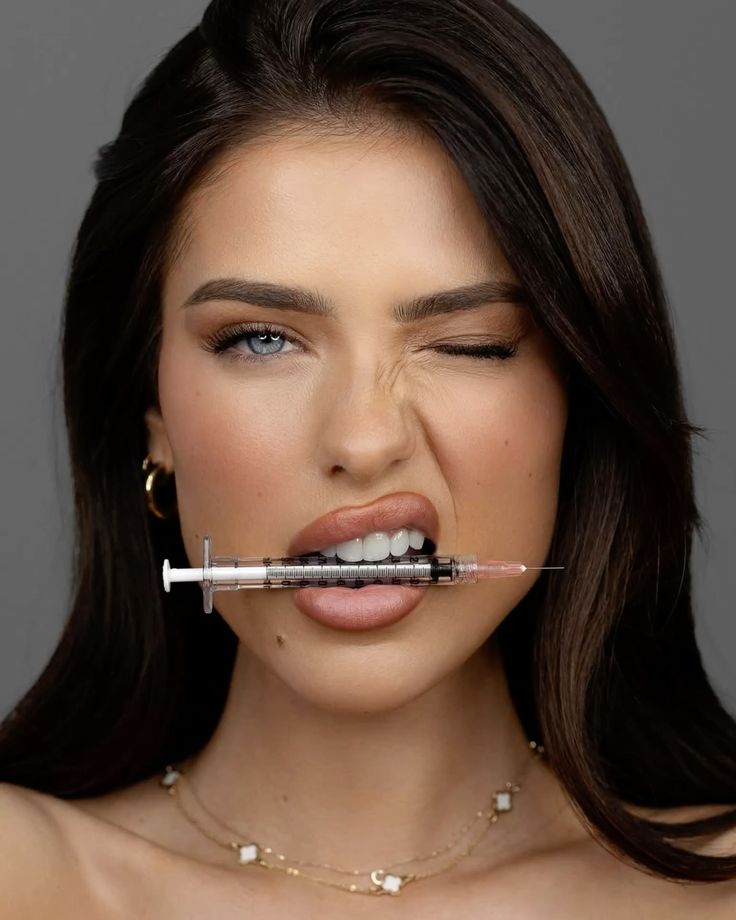
    Preventative Botox at 22 — Smart or Sad?

    At 22, you’re supposed to be thinking about careers, relationships, maybe moving cities.

    Not forehead lines.

    And yet, more and more people in their early 20s are getting “preventative Botox.” Not because they have wrinkles — but because they don’t want them.

    The question isn’t just can you.
    It’s should you.


    What Is Preventative Botox, Actually?

    Botox works by temporarily relaxing the muscles that cause dynamic wrinkles — the lines that form when you frown, squint, or raise your eyebrows.

    Preventative Botox means starting injections before those lines become permanent.

    The logic is simple:
    If the muscle doesn’t move as much, the wrinkle won’t form as deeply.

    Technically?
    It makes sense.

    But skin isn’t just muscle mechanics. It’s also psychology, culture, and perception.


    Why Is Gen Z Starting So Early?

    This trend didn’t appear randomly.

    Gen Z grew up with:

    • front-facing cameras
    • HD filters
    • constant self-observation
    • comparison culture

    You don’t just see your face in mirrors anymore. You see it constantly — on screens, in photos, under bright lighting.

    That level of exposure creates hyper-awareness.

    A tiny line that used to go unnoticed now feels magnified.


    Is It Actually Smart?

    From a purely medical perspective, small doses of Botox in the right candidate can delay deeper wrinkle formation.

    But here’s the nuance:

    Not everyone at 22 needs it.
    Many early 20s faces don’t have enough repetitive muscle movement to justify regular injections.

    Skin quality at that age is usually more influenced by:

    • sun exposure
    • stress
    • sleep
    • skincare habits

    Not fixed lines.

    So for some, preventative Botox is strategic.
    For others, it’s premature.


    The Psychological Side No One Talks About

    Starting Botox early can shift how someone views aging.

    Instead of seeing lines as gradual and natural, they become something to avoid at all costs.

    The risk isn’t physical.
    It’s perceptual.

    When the goal becomes “never change,” beauty can turn into maintenance anxiety.

    And maintenance anxiety is exhausting.


    But Let’s Be Honest…

    There’s also autonomy.

    If someone understands the risks, goes to a qualified injector, and feels more confident — that’s their choice.

    The problem isn’t Botox itself.

    It’s the pressure behind it.

    Are you doing it because you want to —
    or because you feel like you’re already behind?


    The Bigger Shift: From Anti-Aging to Pre-Aging

    This trend reflects something deeper.

    We’re no longer reacting to aging.

    We’re trying to preempt it.

    Prevent. Pause. Freeze.

    But aging isn’t a flaw.
    It’s biology.

    The beauty industry is moving from correction to anticipation — and that changes how young people see themselves.


    The Glowssip Take

    Preventative Botox at 22 isn’t automatically smart.
    And it isn’t automatically sad.

    It depends on intention.

    If it’s informed and calm, it’s a choice.
    If it’s driven by fear of being imperfect, it’s pressure.

    At 22, your face isn’t a problem to solve.

    It’s still forming your story.

  • Trendings

    Why Nobody Fully Commits to Plans Anymore

    “Let’s see.”
    “Maybe.”
    “I’ll confirm later.”
    “I’ll try.”

    Plans used to mean something. Now they feel… flexible. Optional. Temporary.

    Nobody fully commits anymore — and it’s not because people don’t care.

    It’s because commitment feels heavier than it used to.


    📱 The Culture of Keeping Options Open

    We live in a world of constant alternatives.

    Another invite might come.
    A better plan might appear.
    You might feel different tomorrow.

    Keeping your schedule “open” feels smart. Strategic. Safe.

    But when everyone keeps their options open, nothing feels solid.

    Plans turn into placeholders.
    Presence turns into probability.


    🧠 Decision Fatigue Is Real

    Modern life is a series of micro-decisions:

    What to wear.
    What to eat.
    What to answer.
    What to watch.
    What to say.

    Committing to plans is another decision — and decisions require energy.

    When people are mentally tired, flexibility feels easier than certainty.

    “I’ll see how I feel”
    is often code for
    “I don’t have the energy to decide.”


    💬 Social Anxiety Without the Label

    A lot of people aren’t flaky. They’re anxious.

    Committing means:

    • showing up
    • being perceived
    • sustaining conversation
    • performing socially

    Keeping plans loose reduces pressure.

    If you cancel last minute, it feels less like failure — and more like adjustment.

    But over time, that habit creates distance.


    🔄 The Fear of Missing Out Never Left

    Ironically, people cancel because of FOMO.

    What if something better happens?
    What if I commit too early?
    What if I regret choosing this?

    We’re afraid of locking into one option in a world that promises infinite possibilities.

    But infinite possibility also means infinite instability.


    🪞 Why It Feels So Frustrating

    When no one fully commits, trust weakens.

    You don’t know who’s actually coming.
    You don’t know if the plan is real.
    You don’t know if you matter enough to prioritize.

    Flexibility feels free —
    until it feels unreliable.


    ⏳ The Shift From Obligation to Preference

    Older generations treated plans like contracts.
    Now they’re treated like preferences.

    And preference can change.

    We prioritize mood. Energy. Mental state.

    Which is healthy —
    until it replaces consistency entirely.


    ✨ The Glowssip Take

    Nobody fully commits to plans anymore because everyone is protecting their energy.

    But connection requires friction.

    Showing up when you’re slightly tired.
    Sticking to a plan even when something shinier appears.
    Choosing presence over potential.

    Maybe the real flex now isn’t keeping options open.

    It’s showing up.

    Fully.

  • Beauty - Trendings

    Ectoin: The Stress-Protection Ingredient Your Skin Didn’t Know It Needed

    Skincare spent years trying to erase wrinkles.
    Ectoin does something smarter.

    It protects skin from stress — before damage even happens.

    What Is Ectoin (and Why Is It Different)?

    Ectoin is a naturally occurring molecule discovered in extremophile microorganisms — organisms that survive in the harshest environments on Earth.

    We’re talking:

    • extreme heat
    • intense UV radiation
    • dehydration
    • high salinity

    These organisms don’t “repair” damage.
    They prevent it.

    Ectoin works by stabilizing proteins, cell membranes, and enzymes, creating a protective hydration shell around skin cells.
    In simple terms: it helps skin stay calm and functional under pressure.

    Ectoin ≠ Another Hydrating Ingredient

    Yes, ectoin hydrates.
    But that’s not the headline.

    What makes ectoin special is cellular protection.

    Scientific studies show that ectoin:

    • reduces inflammation
    • protects against UV-induced damage
    • improves skin barrier function
    • minimizes stress-related sensitivity

    It doesn’t force skin to change.
    It helps skin cope.

    That’s a very different philosophy from aggressive actives.

    Why Ectoin Is Suddenly Everywhere (Quietly)

    Ectoin isn’t new — it’s been used in medical dermatology for years, especially for:

    • eczema-prone skin
    • atopic dermatitis
    • post-procedure recovery

    But now, as skin sensitivity is rising globally, ectoin is moving into mainstream skincare.

    Why?
    Because modern skin is overwhelmed.

    Pollution, blue light, stress, over-exfoliation — our skin isn’t aging faster.
    It’s reacting more.

    Ectoin fits perfectly into this new reality.

    The Anti-Aging Ingredient That Doesn’t Fight Aging

    Ectoin isn’t anti-aging in the traditional sense.

    It doesn’t stimulate collagen aggressively.
    doesn’t resurface.
    doesn’t “correct.”

    Instead, it supports skin longevity — keeping skin resilient, balanced, and less reactive over time.

    And here’s the Glowssip truth:
    Calm skin ages better.

    Who Should Use Ectoin?

    Ectoin works especially well for:

    • sensitive or reactive skin
    • stressed, urban skin
    • post-retinol or post-acid routines
    • compromised skin barriers

    But honestly?
    In a world where skin is constantly overstimulated, ectoin makes sense for almost everyone.

    The Glowssip Take

    Ectoin is not loud skincare.
    It doesn’t promise miracles.

    It promises protection, balance, and resilience — the things skin actually needs to age well.

    In a beauty industry obsessed with doing more,
    ectoin’s power lies in helping skin do less.

    And that might be the most intelligent trend yet.

  • Trendings

    Why Expensive Skincare Often Disappoints

    Luxury skincare promises transformation.
    Better skin, glow. Better everything.

    So why does it so often leave us underwhelmed?

    Price ≠ Performance

    High price tags suggest high results — but in skincare, that logic rarely holds.

    Many luxury products rely on familiar, well-researched ingredients:
    glycerin, hyaluronic acid, niacinamide, ceramides.

    They work — but not better just because they’re expensive.

    What you’re often paying for isn’t innovation.
    It’s branding, packaging, and experience.

    The Illusion of Instant Results

    Luxury skincare sells a fantasy:
    apply once, glow forever.

    But skin biology doesn’t work on a luxury timeline.

    Real skin change takes weeks — sometimes months.
    No cream can outpace your skin’s natural renewal cycle.

    When expectations are unrealistic, disappointment is inevitable.

    Formulation Over Status

    What truly matters is formulation — not price.

    Ingredient concentration, stability, and compatibility with your skin type
    determine results far more than a logo ever will.

    A well-formulated €25 product can outperform a €250 cream
    if it’s designed with skin function in mind.

    The Comfort Factor

    Luxury skincare often prioritizes sensory pleasure:
    rich textures, signature scents, elegant finishes.

    That feels good — but it doesn’t always mean better skin.

    In some cases, fragrance and heavy formulas
    can actually irritate sensitive or reactive skin.

    When Luxury Does Make Sense

    Expensive skincare isn’t always a mistake.

    Luxury brands sometimes excel in:

    • elegant textures
    • advanced delivery systems
    • exceptional tolerability for mature skin

    But they still can’t override lifestyle factors
    like stress, sleep, diet, and hormones.

    The Glowssip Take

    Expensive skincare disappoints because we expect it to do too much.

    Skincare can support your skin —
    but it can’t replace biology, habits, or consistency.

    True glow isn’t about price.
    It’s about understanding your skin.

    And that knowledge?
    It’s the real luxury.

  • Trendings

    Beauty as Self-Harm — The Part No One Talks About

    Glowssip | Trendings

    We rarely question beauty.
    Beauty as self-harm is becoming a subtle part of modern beauty culture, where self-care often turns into pressure and control.

    It’s supposed to be positive, empowering, even therapeutic.
    A way to express yourself.
    A way to feel confident.

    But somewhere along the way, beauty stopped being something we enjoy
    and started becoming something we manage.

    Not because we want to.
    Because we feel we have to.


    When Beauty Turns Into Obligation

    Modern beauty culture doesn’t scream at you.
    It whispers.

    It suggests improvements rather than demands them.
    frames pressure as motivation.
    disguises insecurity as ambition.

    You don’t feel forced to change.
    You feel irresponsible if you don’t.

    Suddenly, doing nothing feels wrong.
    Rest feels lazy.
    Imperfection feels like failure.

    And no one calls this harmful.

    Because it looks like effort.


    🧠 The Subtle Shift From Pleasure to Control

    Skincare used to be simple.

    Now it’s strategic.

    People analyze their skin the way companies analyze data.
    They measure progress, track reactions, adjust routines.

    Not because it’s fun.
    But because uncertainty feels uncomfortable.

    When life feels unstable, controlling appearance feels reassuring.

    Beauty becomes structure.
    Routine becomes safety.

    And obsession looks like dedication.


    💄 The Illusion of “Natural” Beauty

    The most admired aesthetic today is subtle, soft, effortless.

    But that effortlessness is carefully engineered.

    Behind it стоят:

    • complex routines
    • expensive products
    • invisible procedures
    • constant monitoring

    The contradiction is obvious.

    The more “natural” someone looks,
    the more artificial the process often is.

    Yet no one questions it.

    Because the result is socially approved.


    📱 Social Media and the New Normal

    We scroll through faces that look unreal, but are presented as ordinary.

    No pores.
    fatigue.
    randomness.

    Slowly, our own reflection starts to feel outdated.

    Not ugly.
    Just unfinished.

    So we don’t hurt ourselves visibly.

    We do it quietly:

    • by overcorrecting
    • by obsessing over details
    • by treating normal features as problems

    And society applauds us for being “disciplined.”


    🧬 When “Glow-Up” Stops Being Empowerment

    Glow-up culture обещава transformation.

    But transformation is never enough.

    There is always a next level.
    A better version.
    A new flaw to fix.

    You’re not encouraged to accept yourself.
    You’re encouraged to upgrade yourself endlessly.

    Empowerment slowly turns into pressure.

    And pressure wears a very beautiful mask.


    The Moment No One Admits

    There’s a point where beauty stops feeling enjoyable.

    You don’t do your routine because you love it.
    You do it because skipping it makes you anxious.

    That’s when care becomes control.

    Not dramatic.
    Not visible.
    But deeply rooted.


    ✨ A Different Perspective

    Maybe beauty isn’t the problem.

    Maybe the problem is how we use it.

    Not as expression,
    but as proof that we are “enough.”

    Maybe the most radical beauty act today
    is not another serum or procedure.

    It’s tolerance.

    Tolerance for imperfection.
    For tiredness.
    For being human.


    🌙 Final Thought

    Beauty isn’t dangerous by itself.

    But when it becomes fear of being ordinary,
    it quietly crosses a line.

    And the most unsettling part?

    It still looks beautiful from the outside.

  • Trendings

    Beauty Trends That Exist Only for Instagram

    Glowssip | Trendings

    Let’s be honest.

    Some beauty trends look incredible on Instagram…
    and completely ridiculous in real life.

    Perfect lighting, filters, angles, and editing can make anything look like a must-have.
    But once you step outside your bathroom and into real life, reality hits differently.

    Here are the beauty trends that thrive online — but barely survive outside the screen.


    💎 1) Glass Skin (But Only Under Ring Lights)

    On Instagram, glass skin looks like perfection.
    In real life, it often looks like… oil.

    Achieving that extreme glow usually requires:

    • multiple layers of skincare
    • heavy highlighter
    • strategic lighting

    Offline?
    It can look greasy, heavy, and uncomfortable.

    Instagram loves it. Real life tolerates it.


    👄 2) Overlined Lips That Ignore Anatomy

    On social media, dramatic overlined lips look bold and artistic.
    In daylight?
    They often look like someone missed the lip line on purpose.

    Extreme overlining works for photos, close-ups, and reels.
    But in real conversations, it can feel distracting rather than flattering.

    Trend status: viral
    Practicality: questionable


    3) Perfectly Sculpted Faces

    Ultra-contoured noses. Sharp cheekbones. Snatched jaws.

    On Instagram, it looks cinematic.
    In reality, it can look harsh and unnatural.

    Heavy contouring is designed for cameras, not casual coffee dates.

    Cameras love contrast. Humans prefer softness.


    💅 4) Hyper-Detailed Nail Art

    Tiny characters, 3D crystals, miniature sculptures on nails.

    They look stunning in close-up shots.
    But try typing, texting, or opening a bag with them.

    They’re less “everyday beauty”
    and more “wearable art.”

    Beautiful? Yes. Practical? Not really.


    💄 5) Full Glam as Daily Makeup

    Thick foundation, dramatic lashes, baking, intense blush.

    On Instagram, it screams confidence.
    In real life, it often feels heavy and out of place.

    Most people don’t live in studio lighting.
    And most skin doesn’t want that much product every day.

    Instagram glam is performance. Real life prefers comfort.


    📱 Why These Trends Still Exist

    Because Instagram rewards:

    • drama
    • contrast
    • perfection
    • exaggeration

    Real life rewards something else:

    • comfort
    • movement
    • subtlety
    • authenticity

    What looks good on screen isn’t always designed to be worn.


    ✨ The New Beauty Shift

    Slowly, beauty is moving away from extremes.

    People are choosing:

    • softer makeup
    • real skin texture
    • wearable trends

    The most modern beauty trend right now?

    Looking good without looking edited.


    Final Thought

    Instagram beauty is fantasy.
    Real-life beauty is function.

    And honestly?

    The best trends aren’t the ones that look perfect on your feed —
    they’re the ones that feel good on your face.

  • Trendings

    TikTok Made Me Buy It — Regret Edition

    Glowssip | Trendings

    TikTok doesn’t sell products.
    It sells confidence.

    Someone with perfect lighting says “you NEED this” and suddenly your brain shuts down. You don’t think. You just buy.

    And sometimes?
    You regret it by day three.

    Here are the viral beauty products TikTok made me buy — and the ones I’d politely never invite back into my routine.


    💄 Charlotte Tilbury Hollywood Flawless Filter

    TikTok promised: effortless glow, rich-girl skin
    Reality: shiny forehead by noon

    It looks amazing… for about 20 minutes. After that, it turns into why is my face reflective.

    Why it’s a regret:

    • highlights texture
    • melts fast
    • needs perfect skin underneath

    Cute for photos. Annoying for real life.


    🧴 Glow Recipe Watermelon Glow Niacinamide Drops

    TikTok promised: glass skin
    Reality: sticky glow that goes nowhere

    It smells nice. The bottle is cute.
    But results? Minimal.

    Why it’s a regret:

    • more aesthetic than effective
    • glow fades fast
    • overpriced for what it does

    Fun, but not essential.


    👁 Peter Thomas Roth Instant FIRMx Eye

    TikTok promised: instant under-eye magic
    Reality: flakes + stress

    Yes, it tightens.
    Also yes, it cracks if you blink wrong.

    Why it’s a regret:

    • works only if you don’t move your face
    • makeup hates it
    • very unforgiving

    Impressive trick. Not wearable.


    💋 Too Faced Lip Injection Extreme

    TikTok promised: juicy lips
    Reality: pain with a side of redness

    Plumping is one thing.
    Burning is another.

    Why it’s a regret:

    • uncomfortable
    • short-lived effect
    • irritation > plump

    Not worth suffering for.


    🧼 The Ordinary AHA 30% + BHA 2% Peeling Solution

    TikTok promised: baby-smooth skin
    Reality: barrier damage speedrun

    This product is strong — too strong for casual use.

    Why it’s a regret:

    • easy to overdo
    • causes irritation fast
    • not beginner-friendly

    Respect it or regret it.


    ✨ Why These Products Went Viral Anyway

    Because TikTok loves:

    • instant effects
    • dramatic visuals
    • transformation moments

    But real life doesn’t happen under ring lights.

    Products that perform for content don’t always perform for everyday skin.


    💭 What This Trend Actually Taught Me

    Viral doesn’t mean versatile.
    Popular doesn’t mean practical.

    Before buying, ask:

    • Would I still want this without the video?
    • Does this fit my actual routine?
    • Is this solving a real problem or just looking cool?

    Final Thought

    TikTok is fun.
    TikTok is also very convincing.

    Some products deserve the hype.
    Others deserve a warning label.

    And that’s okay — at least now we know.

  • Home - Trendings

    TikTok Made Me Buy It — But I’d Repurchase These

    Glowssip | Trendings

    TikTok has a talent for convincing people they need things they’ve never thought about before.

    A 30-second video.
    Perfect lighting.
    Someone saying “trust me.”

    And suddenly — it’s in your cart.

    Some of those products disappear quietly into drawers.
    Others actually earn a permanent spot in your routine.

    These are the ones that weren’t just hype — they’re repurchase-worthy.


    💄 Rare Beauty Soft Pinch Liquid Blush

    This blush has been everywhere — and for once, it makes sense.

    It blends easily, lasts all day, and looks natural even when you mess it up slightly (which matters). One tiny dot is enough, and the finish works for both everyday makeup and “I tried today” days.

    Why it’s a repurchase:
    You don’t fight with it. It just works.


    🧴 COSRX Advanced Snail 96 Mucin Power Essence

    Snail mucin sounded questionable — until it wasn’t.

    This essence quietly improves hydration, texture, and overall skin comfort. It doesn’t promise miracles, but it makes skin feel consistently better over time.

    Why it’s a repurchase:
    Skin looks calmer, healthier, and more balanced without effort.


    E.L.F. Halo Glow Liquid Filter

    This product blurred the line between makeup and skincare — and did it well.

    Used alone, under foundation, or mixed into moisturizer, it adds a soft glow that doesn’t look oily or overdone.

    Why it’s a repurchase:
    Affordable, versatile, and genuinely flattering.


    👄 Laneige Lip Sleeping Mask

    One of the most talked-about lip products on TikTok — and it actually delivers.

    It hydrates deeply, lasts overnight, and doubles as a daytime lip balm when needed.

    Why it’s a repurchase:
    It fixes dry lips instead of temporarily masking the problem.


    🧼 CeraVe Hydrating Cleanser

    Not exciting. Not aesthetic. Still undefeated.

    This cleanser cleans without stripping, irritating, or over-drying. It’s the definition of a background hero.

    Why it’s a repurchase:
    It never causes problems — and that’s rare.


    🌿 Why These Products Deserve the Hype

    They all share the same qualities:

    • easy to use
    • comfortable on skin
    • consistent results
    • no learning curve

    They don’t rely on perfect application or specific routines.


    ✨ Final Thought

    TikTok is great at selling the idea of a product.

    But the ones worth repurchasing are the ones that stay useful after the hype fades — when the ring light is off and real life kicks in.

    These are the products that earned their place.

    Not viral forever — just good.

  • Trendings

    Why Everyone Suddenly Loves Being a Little Bit Delusional

    Glowssip | Trendings

    At some point, being realistic stopped feeling helpful.

    Not because people lost touch with reality —
    but because reality became a little too heavy to carry without humor, optimism, or a tiny bit of delusion.

    And somehow, being slightly delusional became the preferred coping strategy.


    Delusion, But Make It Cute

    This isn’t about denial.
    It’s about choosing a mindset that doesn’t crush you before lunch.

    Believing things will “work out.”
    Assuming the best-case scenario.
    Acting like everything is fine — even when it’s not yet.

    It’s optimism with personality.


    The Internet Made It Normal

    Social media didn’t invent delusion — it normalized it.

    Phrases like:

    • “I’m delusional, but it’s working”
    • “If I don’t think about it, it doesn’t exist”
    • “Manifesting anyway”

    turned into inside jokes that quietly doubled as survival tools.

    Laughing at uncertainty feels easier than overthinking it.


    Control Without Control

    Being a little delusional gives the illusion of control in situations where control doesn’t exist.

    You can’t predict outcomes.
    can’t speed up timing.
    can’t fix everything.

    But you can choose how seriously you take the chaos.

    Delusion softens the edges.


    Confidence Without Proof

    There’s something bold about acting confident before anything actually happens.

    Not arrogance — audacity.

    Saying “I’ll figure it out” without having a plan.
    Trusting yourself without evidence.
    Moving forward without guarantees.

    It’s not logic.
    It’s momentum.


    Why This Trend Makes Sense Right Now

    People are tired of being told to:

    • be patient
    • be realistic
    • lower expectations
    • accept uncertainty

    So instead, they choose belief over burnout.

    A little delusion feels lighter than constant self-correction.


    The Line Everyone Knows Not to Cross

    The key is balance.

    Being slightly delusional doesn’t mean ignoring consequences or refusing reality.
    It means not letting reality paralyze you.

    You still show up.
    still do the work.
    just refuse to spiral while waiting.


    Final Thought

    Being a little delusional isn’t about escaping life.
    It’s about making life tolerable — even fun — while things are unresolved.

    In a world full of uncertainty,
    confidence without proof might be the most practical mindset there is.

    And honestly?
    It seems to be working.