At 22, you’re supposed to be thinking about careers, relationships, maybe moving cities.
Not forehead lines.
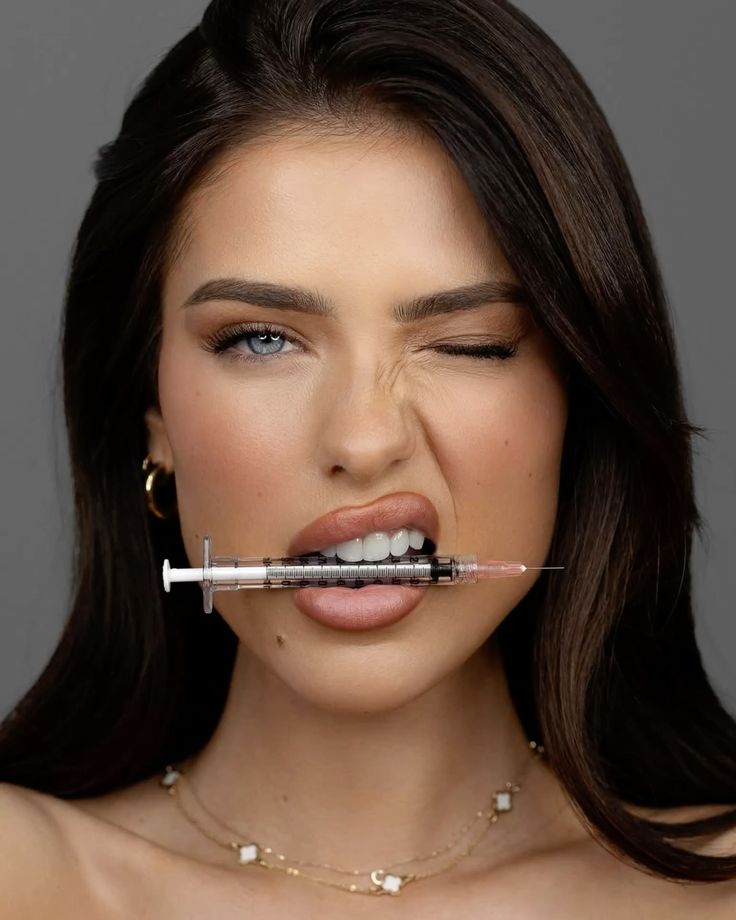
And yet, more and more people in their early 20s are getting “preventative Botox.” Not because they have wrinkles — but because they don’t want them.
The question isn’t just can you.
It’s should you.
What Is Preventative Botox, Actually?
Botox works by temporarily relaxing the muscles that cause dynamic wrinkles — the lines that form when you frown, squint, or raise your eyebrows.
Preventative Botox means starting injections before those lines become permanent.
The logic is simple:
If the muscle doesn’t move as much, the wrinkle won’t form as deeply.
Technically?
It makes sense.
But skin isn’t just muscle mechanics. It’s also psychology, culture, and perception.
Why Is Gen Z Starting So Early?
This trend didn’t appear randomly.
Gen Z grew up with:
- front-facing cameras
- HD filters
- constant self-observation
- comparison culture
You don’t just see your face in mirrors anymore. You see it constantly — on screens, in photos, under bright lighting.
That level of exposure creates hyper-awareness.
A tiny line that used to go unnoticed now feels magnified.
Is It Actually Smart?
From a purely medical perspective, small doses of Botox in the right candidate can delay deeper wrinkle formation.
But here’s the nuance:
Not everyone at 22 needs it.
Many early 20s faces don’t have enough repetitive muscle movement to justify regular injections.
Skin quality at that age is usually more influenced by:
- sun exposure
- stress
- sleep
- skincare habits
Not fixed lines.
So for some, preventative Botox is strategic.
For others, it’s premature.
The Psychological Side No One Talks About
Starting Botox early can shift how someone views aging.
Instead of seeing lines as gradual and natural, they become something to avoid at all costs.
The risk isn’t physical.
It’s perceptual.
When the goal becomes “never change,” beauty can turn into maintenance anxiety.
And maintenance anxiety is exhausting.
But Let’s Be Honest…
There’s also autonomy.
If someone understands the risks, goes to a qualified injector, and feels more confident — that’s their choice.
The problem isn’t Botox itself.
It’s the pressure behind it.
Are you doing it because you want to —
or because you feel like you’re already behind?
The Bigger Shift: From Anti-Aging to Pre-Aging
This trend reflects something deeper.
We’re no longer reacting to aging.
We’re trying to preempt it.
Prevent. Pause. Freeze.
But aging isn’t a flaw.
It’s biology.
The beauty industry is moving from correction to anticipation — and that changes how young people see themselves.
The Glowssip Take
Preventative Botox at 22 isn’t automatically smart.
And it isn’t automatically sad.
It depends on intention.
If it’s informed and calm, it’s a choice.
If it’s driven by fear of being imperfect, it’s pressure.
At 22, your face isn’t a problem to solve.
It’s still forming your story.